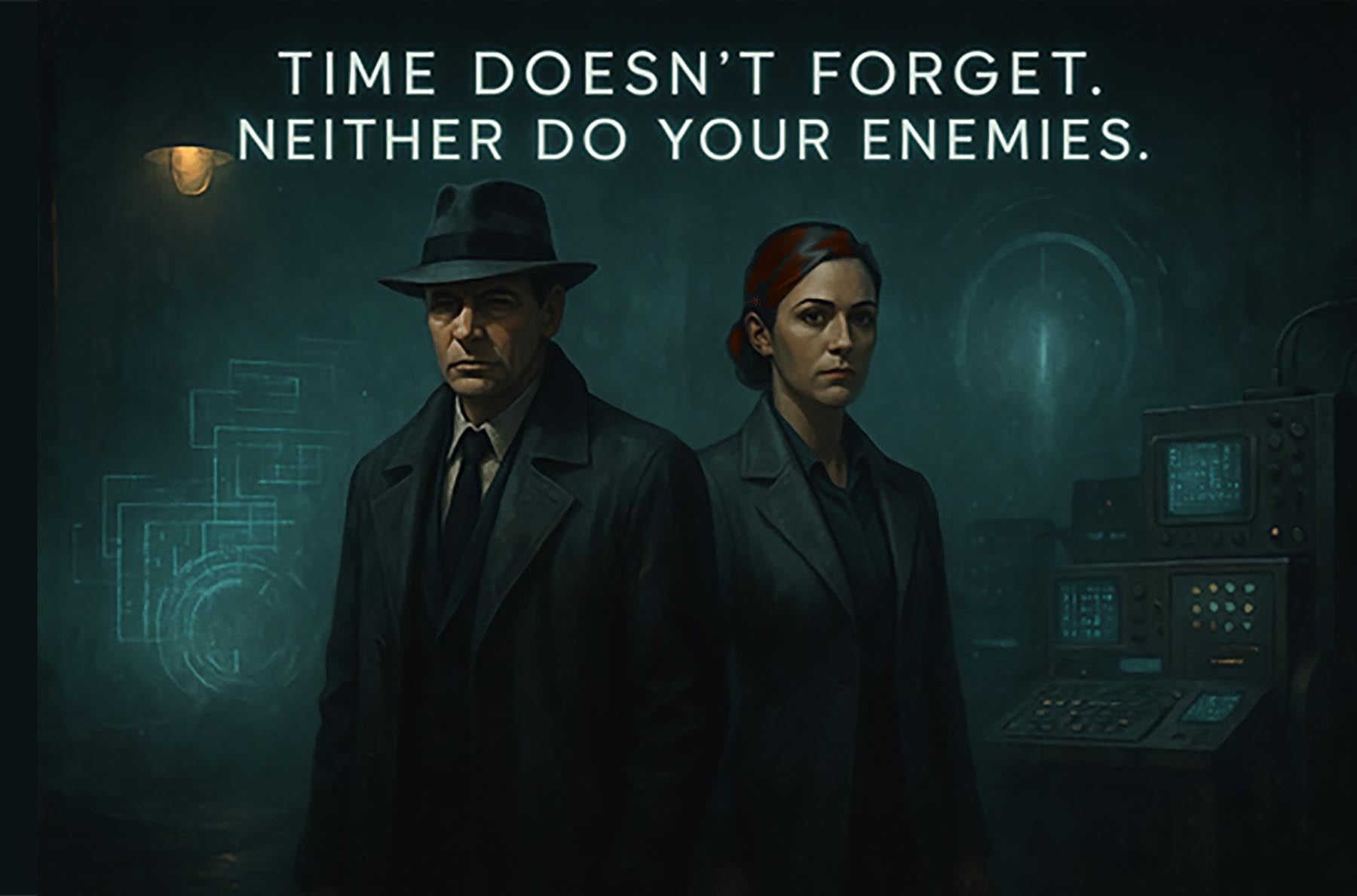
Angus Sliders follows former MI6 operative and Bureau field asset Max Calder as he becomes entangled once more in the mysteries of the Mirror, a time-distorting device whose surviving fragments have resurfaced in the Scottish Highlands. The novel opens in the aftermath of renewed disturbances connected to the Mirror. MI6 — under the covert influence of Kim Philby and collaborators inside Section IX — has secretly rebuilt a new Mirror Recursion Core Version Three beneath Invershiel and Loch Duich. At the same time, the Bureau’s leadership, particularly Elspeth Moreau, struggles to contain internal fractures and the resurfacing of dangerous parallel-timeline phenomena.
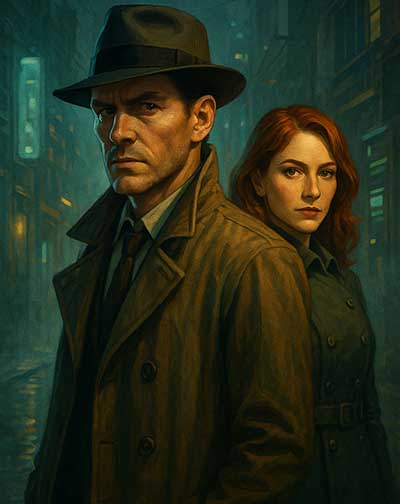 Max Calder and his long-time partner, Alicia Rayes, trace the reactivation of Mirror-derived systems across Kingsway, Rosyth, and eventually Invershiel. Their journey begins with missing files, unexplained SL-series access badges, and a disturbing rumor: doppelgängers of Max have been seen along the Scottish coast. Evidence mounts that the Mirror — long believed destroyed — still maintains an unpredictable quantum connection to Calder and is generating “variants” of him across parallel branches.
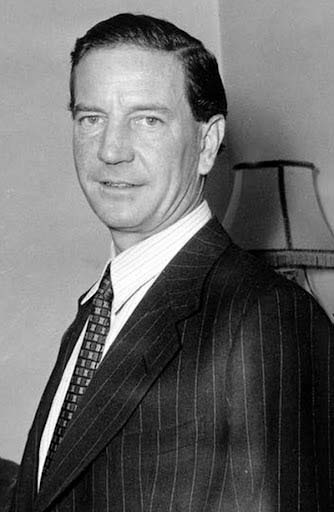 Calder and Rayes quickly uncover that Philby is not merely stealing Bureau technology for MI6. He appears to be acting on behalf of an unknown third force, one that benefits from confusing MI6 theft with something deeper. His evasiveness and misplaced confidence confirm that he fears what Calder and Rayes might discover. After Philby flees Glasgow for London, the two agents tail him south, racing to stay ahead of MI6 intercept teams and a widening web of conspirators.
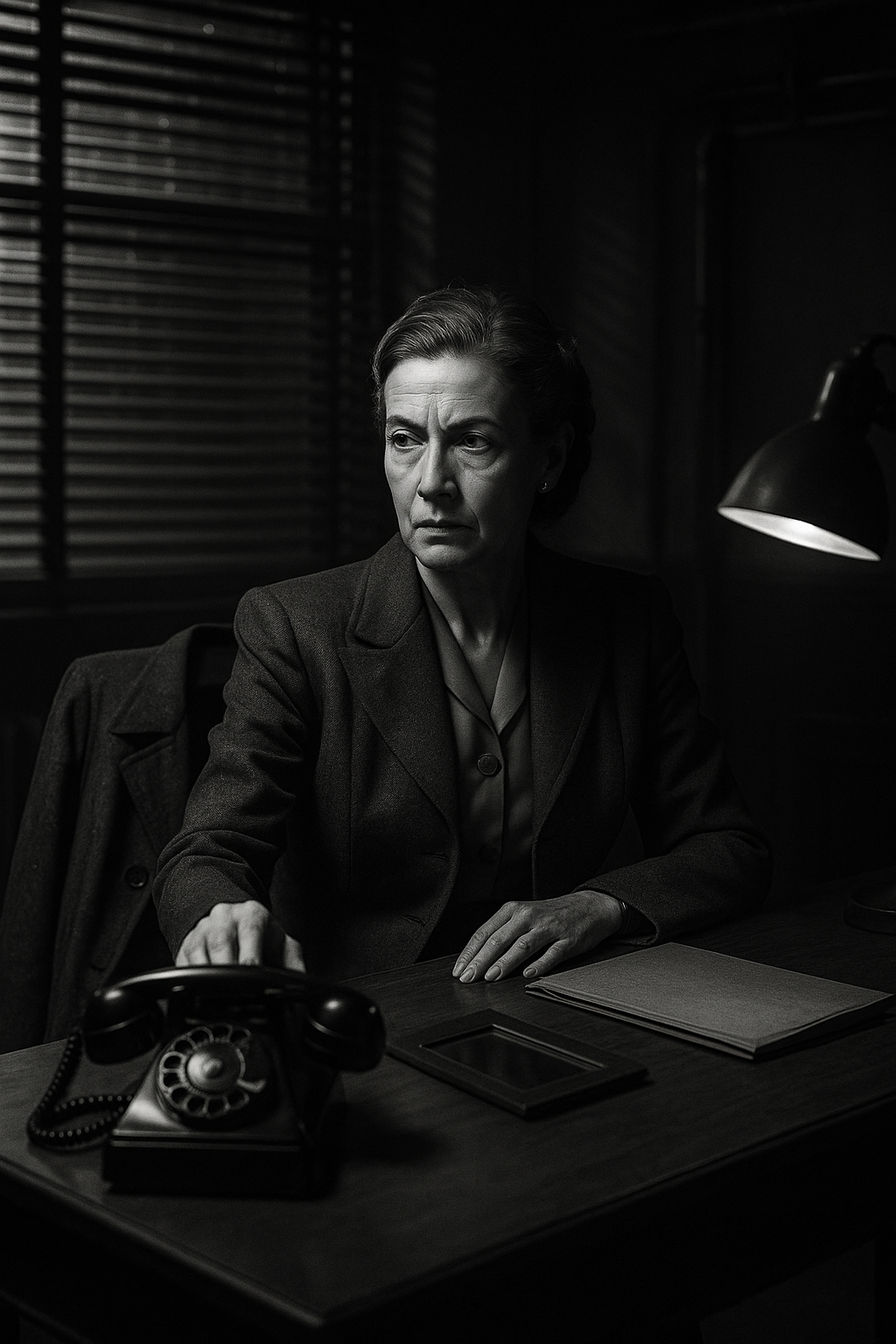 Meanwhile, Elspeth Moreau — head of the Nameless Nine, and the woman whose daughter Alicia represents in one of several timelines—fights her own battles. Through internal memos and private reflection, it is revealed how deeply she understands the Mirror’s metaphysical and psychological consequences. Her file notes suggest that Moreau once crossed into another parallel in search of her original daughter, only to discover that this timeline’s Alicia is not the one she lost. Moreau’s grief, guilt, and determination drive her to use the last operational Bureau channels to keep Calder and Rayes alive long enough to reach Invershiel.
Once Calder and Rayes infiltrate the underground tunnels beneath Loch Duich at a site called ANGUS, they follow disguised culverts, abandoned stairwells, and service shafts until they reach the facility housing the Mirror Recursion Core Version Three — a fully reactivated Mirror frame built under the title of Project Oracle, which stores dossiers, variant data, and SL-series identifiers, confirming that multiple versions of Max exist.
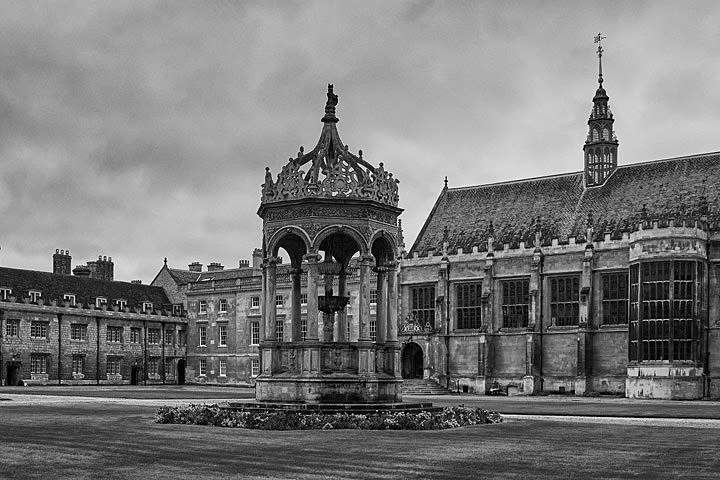 Inside the Core chamber, Max initiates a desperate slide. He attempts to return to Cambridge in 1933 to sabotage the moment he believes formed Philby’s treason. The slide partly succeeds. But the Mirror is no longer a simple transport device—it is a recursion engine trained on the consciousness of the agents it has touched. Inside the machine, Max confronts two variants of himself, and the confrontation destabilizes the entire Mirror Recursion Core.
Max wins, but barely. The Core collapses, triggering cascading failures through the underground facility. Calder and Alicia flee through collapsing corridors, surfacing in the dense fog above Invershiel. The Mirror’s quantum network—across Kingsway, Rosyth, and the Highlands—begins to shutter and destabilize.
The novel closes with the knowledge that although the Version Three Mirror has been destroyed, its deeper architecture—the quantum connections that bind Calder, Alicia, and their variants—remain. All Mirrors, as Hawthorne’s final radio transmission warns, “are connected on a fundamental quantum level. All it takes is one.” The threat is not gone. Only buried again.